When to Plant Tulips in Wisconsin
Learn the best time and expert techniques for planting tulip bulbs in Wisconsin. Ensure a breathtaking spring floral display with our step-by-step guide.
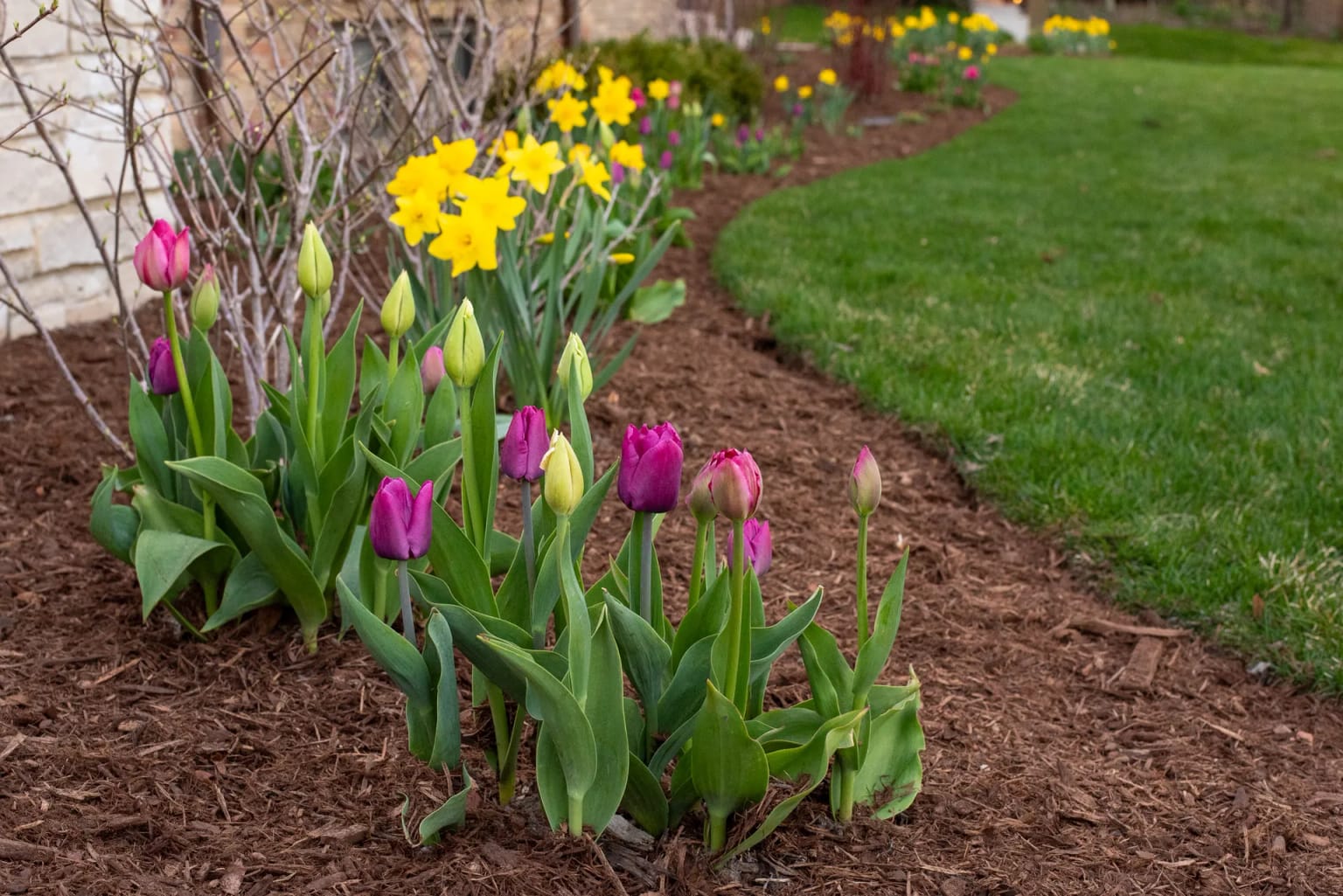
The Ideal Window: Mid-September to Late October
In Wisconsin, the golden rule for planting tulip bulbs is to get them in the ground before the ground freezes but after the soil has cooled down.
Typically, this window is from late September through late October.
- Why wait until fall? Tulips need a period of cold dormancy (vernalization) to develop their flower buds. Planting them in the fall gives them enough time to establish roots before winter sets in.
- Why not too early? If you plant too early (like August or early September), the warm soil can cause the bulbs to sprout prematurely or even rot. You want the soil temperature to be around 55°F or lower.
- Can I plant later? Yes, as long as the ground isn't frozen solid. We've successfully planted bulbs into November, but earlier is generally better for root establishment.
How to Plant for Success
- Dig Deep Enough: In our cold climate, planting depth is crucial. Plant your tulip bulbs about 6 to 8 inches deep (measured from the base of the bulb). This protects them from the freeze-thaw cycles that can heave bulbs out of the ground.
- Pointy Side Up: Place the bulb in the hole with the pointed end facing up.
- Soil Matters: Tulips hate "wet feet." Ensure your soil drains well. If you have heavy clay, amend it with compost to improve drainage. Rot is the enemy of a dormant bulb.
- Water Once: Water the bulbs in right after planting to settle the soil and kickstart root growth. Unless it's an exceptionally dry autumn, you usually won't need to water them again until spring.
Protecting Your Investment
Wisconsin winters are tough, and so are the critters. Squirrels and voles love to dig up fresh bulbs.
- Deterrents: You can try laying chicken wire over the planting area (buried slightly under the soil surface) to prevent digging.
- Repellents: There are natural repellents available, but their effectiveness varies.
- Planting Strategy: Interplanting tulips with unwanted bulbs like daffodils (which are poisonous to rodents) can sometimes help protect them.
Need Help with Your Spring Display?
At LandWorks, we specialize in designing and installing breathtaking seasonal color displays. If you want a professional touch for your spring landscape—or if you'd rather we handle the digging—our Seasonal Color team is here to help.

Work With Us
Ready to transform your outdoor space? Contact LandWorks today to schedule a consultation and take the first step toward your dream landscape.