Horticultural Field Guide · Spring through Autumn · Zone 5a
Caring for Your Perennials
Comprehensive care guide for maintaining your perennial plants and helping them thrive year after year.
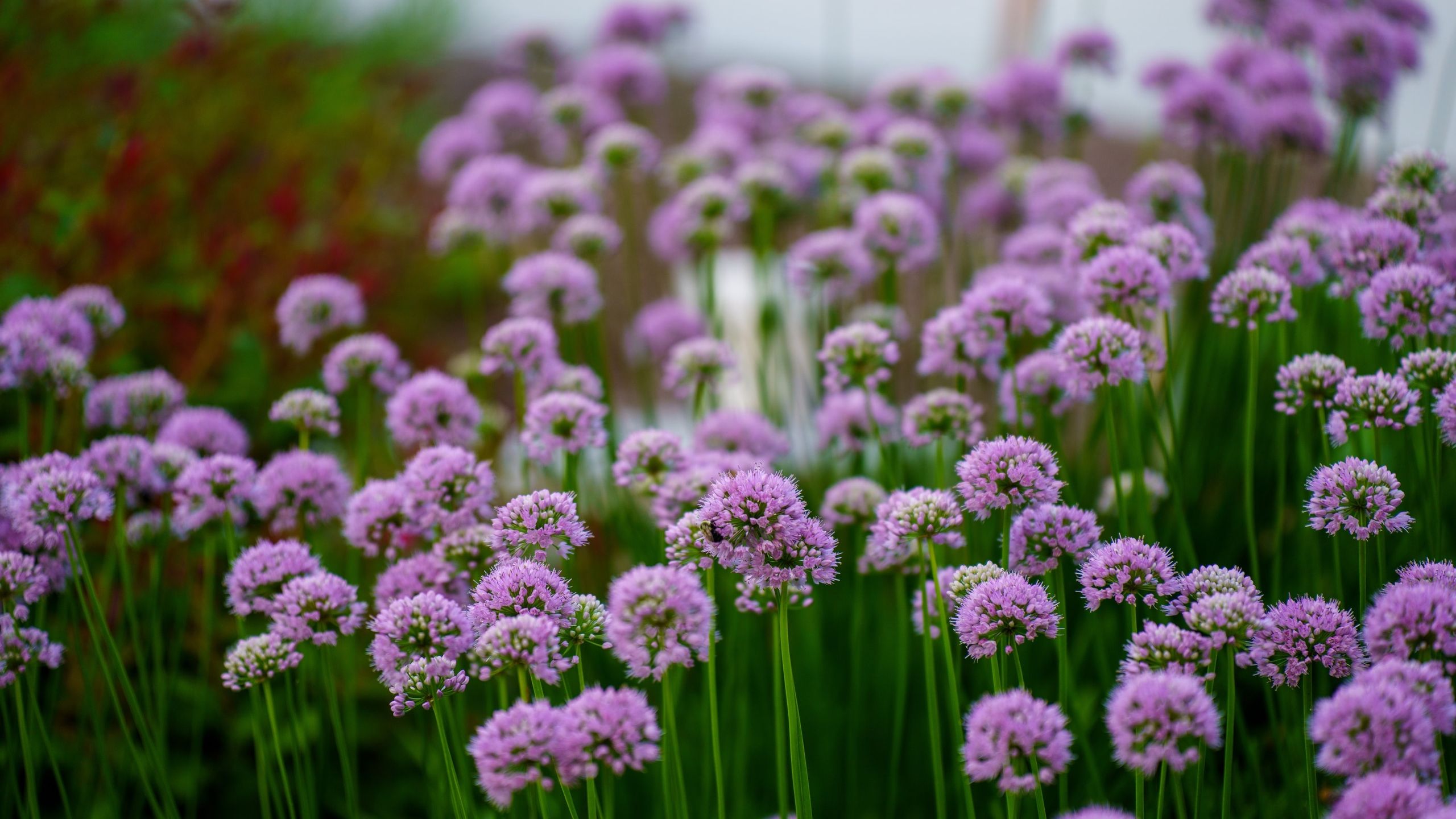
Watering
- Early morning is the best time to water.
- Thoroughly water plants once or twice a week, applying an average of one inch per week. Adjust schedules based on rainfall.
- Using your fingers, check the soil moisture several inches down prior to watering. Too much or too little water can place stress on the root system.
- Apply water at the base of your plants using a slow trickle from a hose. Consider the size of the plant and root ball when determining amount of watering time per plant.
- Note soil conditions and terrain. Clay soils hold more water than sandy soils, and sloped areas will require more water due to runoff.
- Continue watering your plantings, especially evergreens, until the ground freezes.
Fertility
- Most trees, shrubs and perennials require only an annual feeding.
- Annual flowers require more frequent fertilizing – every two weeks during the growing season.
Weed Control
- As a result of soil disturbance, expect more weeds in your planting beds during the first year of establishment.
- Regularly remove weeds by hand to prevent competition with new plantings.
- For easier removal, weed after rainfall or watering.
- Avoid the application of chemical weed control in or around new plantings.
Pruning/Deadheading
- New plantings should be allowed to establish before significant pruning is done. Remove broken or damaged branches only.
- Spent blossoms on perennials and annuals should be removed to encourage re-blooming.
Pest Control
- Monitor plants regularly for any insect or disease problems.
- Rabbits and deer feed on many new plantings, especially during the winter. Install fencing, netting or apply repellents when necessary.
What to Expect
Be patient, and remember the old adage: "The first year it sleeps; the second year it creeps; the third year it leaps."
Your LandWorks Representative can answer any questions and provide specific plant care recommendations for your property.
Spring through Autumn · Zone 5a Horticultural Ledger
Caring for Your Perennials Standards
0 / 3 Completed
Recommended Practices (Do)
- +Water thoroughly in the early morning once or twice a week (averaging 1 inch of water weekly), adjusting for rainfall, soil type, and slopes
- +Continue watering perennials and evergreens until the ground freezes, and feed established perennials once annually
- +Remove spent blossoms (deadhead) to encourage re-blooming, and hand-weed beds after rain or watering when soil is moist
What to Avoid (Do Not)
- —Do not overwater or underwater—always check soil moisture several inches down with your fingers before watering
- —Avoid chemical weed control in or around new perennial plantings, and do not perform heavy pruning during initial establishment (remove broken or damaged stems only)
- —Do not leave vulnerable new plantings unprotected from winter rabbit and deer browsing—install fencing, netting, or repellents as needed
Step-by-Step Field Checklist
- Check root-zone moisture several inches deep and soak with a slow hose trickle 1–2 times weekly (1" total per week)
- Hand-pull weeds after rainfall or watering and deadhead spent blossoms to encourage secondary blooms
- Continue watering until autumn ground freeze and apply winter rabbit/deer protection where needed
Horticultural FAQ
Common Questions on Caring for Your Perennials
When is the best time to water perennials?
Early morning is the best time to water.
How much water do perennials need?
Thoroughly water once or twice a week, applying an average of one inch per week. Adjust based on rainfall.
How often should I fertilize perennials?
Most perennials require only an annual feeding.
Should I prune my new perennials?
New plantings should be allowed to establish before significant pruning. Remove only broken or damaged branches initially.
Schedule a Consultation
Prefer our horticulturists to steward your property?
From spring bed preparation and seasonal urn displays to selective pruning and turf care, our LandWorkers care for residential properties across southeastern Wisconsin.